
Russian Orthodox Church
Autocephalous Eastern Orthodox church tracing origins to 988.

via Wikipedia: Russian Orthodox Church · see source
The Russian Orthodox Church (ROC), also officially known as the Moscow Patriarchate, is an autocephalous Eastern Orthodox Christian church. Its history begins with the Christianization of Kievan Rus', which commenced in 988 with the baptism of Vladimir the Great and his subjects by the clergy of the ecumenical patriarch of Constantinople. The ROC declared autocephaly in 1448 when it elected its own metropolitan, and in 1589 the metropolitan was elevated to the position of patriarch with the consent of Constantinople. The primate of the ROC is the Patriarch of Moscow and all Rus'. It has 194 dioceses inside Russia.
- founded
- 988 (Christianization of Kievan Rus')
- autocephaly_declared
- 1448
- patriarchate_established
- 1589
- field
- Eastern Orthodox Christianity
- nationality
- Russian
- known_for
- Autocephalous church with 194 dioceses inside Russia; claims exclusive jurisdict
Lore & Background
The ROC's foundational narrative is found in the 12th-century Primary Chronicle, which says the Apostle Andrew visited Scythia and Greek colonies along the northern coast of the Black Sea, reached Chersonesus in Crimea, and foretold the foundation of a great Christian city at the future location of Kiev. In the 10th century, Christianity took root in Kievan Rus'; Igor's wife Olga was baptized sometime in the mid-10th century, and Grand Prince Vladimir was baptized in 988 and began Christianizing his people upon his return. By the early 11th century, Christianity was established as the state religion. After Kiev lost its significance following the Mongol invasions, Metropolitan Maximus moved his seat to Vladimir in 1299. His successor, Peter, moved his residence to Moscow in 1325 and became a strong ally of the prince of Moscow; during Peter's tenure, the foundation for the Dormition Cathedral was laid and Peter was buried there, designating Moscow as the future center of the Russian Orthodox Church. On 15 December 1448, a council of Russian bishops elected Jonah as metropolitan without the consent of the patriarch of Constantinople, marking the beginning of autocephaly. In 1589, during the reign of Feodor I and under the direction of Boris Godunov, the metropolitan of Moscow, Job, was consecrated as the first Russian patriarch. In the mid-17th century, a series of reforms led to a schism as the Old Believers opposed the changes.
Reader's Guide
The ROC currently claims exclusive jurisdiction over Eastern Orthodox Christians, irrespective of their ethnic background, who reside in the former member republics of the Soviet Union, excluding Georgia. The ROC also created the autonomous Church of Japan and Chinese Orthodox Church. The ROC eparchies in Belarus and Latvia, since the fall of the Soviet Union in the 1990s, enjoy various degrees of self-government, albeit short of the status of formal ecclesiastical autonomy. The ROC should not be confused with the Russian Orthodox Church Outside of Russia (ROCOR), headquartered in the United States, which was instituted in the 1920s by Russian communities outside the Soviet Union that refused to recognize the authority of the Moscow Patriarchate. The two churches reconciled on 17 May 2007; the ROCOR is now a self-governing part of the Russian Orthodox Church.
Did You Know?
- The ROC declared autocephaly in 1448 when a council of Russian bishops elected Jonah as metropolitan without the consent of the patriarch of Constantinople.
- The first Russian patriarch, Job, was consecrated in 1589 during the reign of Feodor I under the direction of Boris Godunov.
- The ROC and the Russian Orthodox Church Outside of Russia (ROCOR) reconciled on 17 May 2007, with ROCOR becoming a self-governing part of the ROC.
- According to the 12th-century Primary Chronicle, the Apostle Andrew visited the future location of Kiev and foretold the foundation of a great Christian city.
- In the mid-17th century, a series of reforms led to a schism in the Russian Church as the Old Believers opposed the changes.
Roots in Kievan Rus' and the Baptism of Vladimir
The story of Orthodoxy in Russia stretches back to a 12th-century chronicle crediting the Apostle Andrew with visiting the Black Sea coast and foretelling a great Christian city at the future site of Kiev. Though no concrete evidence supports this narrative, it has remained a touchstone in Russian ecclesiastical scholarship. The more documented beginnings arrive in the 10th century, when Christians appear among the Varangians at the close of Prince Igor's reign. His wife Olga was baptized in the mid-10th century—most scholars place the event in Constantinople, though some argue for Kiev—and her son Sviatoslav resisted conversion. The decisive break came in 988, when Grand Prince Vladimir, after dispatching envoys to survey the world's faiths and receiving favorable reports of Constantinople, captured Chersonesus in Crimea and secured the hand of Basil II's sister on the condition of his own baptism. Vladimir's military backing of the Byzantine emperor may have been tied to the city's support of the rebel Bardas Phokas. By the early 11th century Christianity was entrenched as the state religion, and by the early 13th century roughly forty episcopal sees had been established, all ultimately subordinate to Constantinople. In 1988 the Russian Orthodox Church formally designated 988 as the anniversary of the nation's Christianization.
The Shift to Moscow and the Road to Patriarchal Status
After the Mongol invasions diminished Kiev's prominence, the metropolitan's seat shifted eastward. In 1299 Metropolitan Maximus relocated to Vladimir, and his successor Peter made the decisive move to Moscow in 1325, aligning himself with the rising prince of that city. Peter laid the foundation of the Dormition Cathedral and was buried within its walls, a gesture that effectively designated Moscow as the future spiritual heart of the Russian Church. His successor Theognostus continued Moscow-oriented policies, overseeing the completion of the Dormition Cathedral and the construction of four additional stone churches, while also restoring ecclesiastical authority over Lithuania by 1331 and securing Peter's canonization in 1339. The trajectory toward full independence was interrupted by the Council of Florence in 1439, where the sole Russian prelate present, Metropolitan Isidore, signed the union—allegedly under duress. Upon his return to Moscow in 1441, Grand Prince Vasily II had Isidore confined to the Chudov Monastery. Three years later, in 1448, the Russian Church declared autocephaly by electing its own metropolitan. The final step came in 1589, when Constantinople consented to the elevation of the metropolitan to the rank of patriarch, giving the church its enduring title: the Patriarch of Moscow and all Rus'.
The 17th-Century Schism and the Old Believers
The mid-17th century introduced one of the most significant internal fractures in the history of the Russian Orthodox Church. A series of reforms, carried out under the patriarchal structure that had been in place since 1589, provoked a deep division among the faithful. The group that came to be called the Old Believers opposed the changes, and their resistance crystallized into a full schism that split the Russian ecclesiastical community. This rupture occurred at a critical juncture in the church's institutional development: the body had already secured its autocephalous status in 1448, elevated its primate to patriarchal rank in 1589, and consolidated Moscow as the spiritual center of Russian Orthodoxy. The Old Believers' rejection of the reforms thus represented a challenge to the authority of the patriarchal office and the direction of the church's liturgical life. The episode stands as a defining moment in the post-Constantinople history of the Russian Church, illustrating that the consolidation of ecclesiastical independence did not eliminate the potential for deep internal contestation. The schism marked a permanent division within the Russian Orthodox tradition, a reminder that the path from Kievan baptism through Moscow's rise to patriarchal dignity was not without profound theological and cultural disagreement.
Modern Jurisdiction and the Reunion with ROCOR
In its present form, the Russian Orthodox Church—officially the Moscow Patriarchate—governs 194 dioceses within Russia and claims exclusive jurisdiction over all Eastern Orthodox Christians, regardless of ethnic origin, residing in the former Soviet republics, with the notable exception of Georgia. Beyond its core territory, the ROC established the autonomous Church of Japan and the Chinese Orthodox Church, extending its ecclesiastical reach into East Asia. In Belarus and Latvia, eparchies that had been part of the Soviet-era structure have, since the dissolution of the USSR in the 1990s, enjoyed varying degrees of self-government, though they have not attained the formal status of full ecclesiastical autonomy. A separate but related chapter concerns the Russian Orthodox Church Outside of Russia (ROCOR), founded in the 1920s by émigré communities who refused to recognize the authority of the Moscow Patriarchate, then de facto led by Metropolitan Sergius Stragorodsky. For nearly eight decades the two bodies operated independently, with ROCOR headquartered in the United States. Their long estrangement ended on 17 May 2007, when the two churches reconciled and ROCOR was received as a self-governing part of the Russian Orthodox Church, resolving one of the most prominent schisms in modern Orthodox history.
Gallery
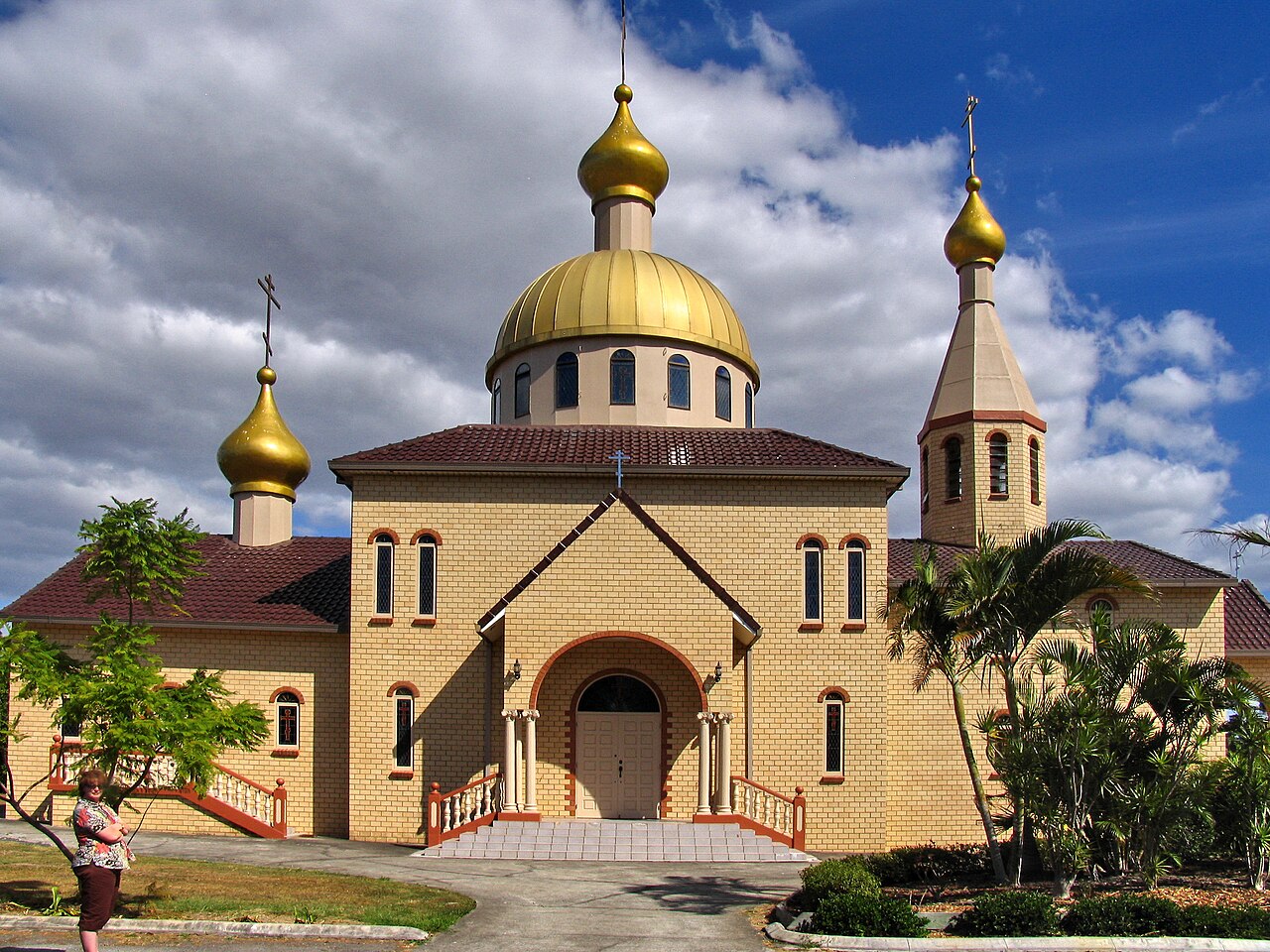
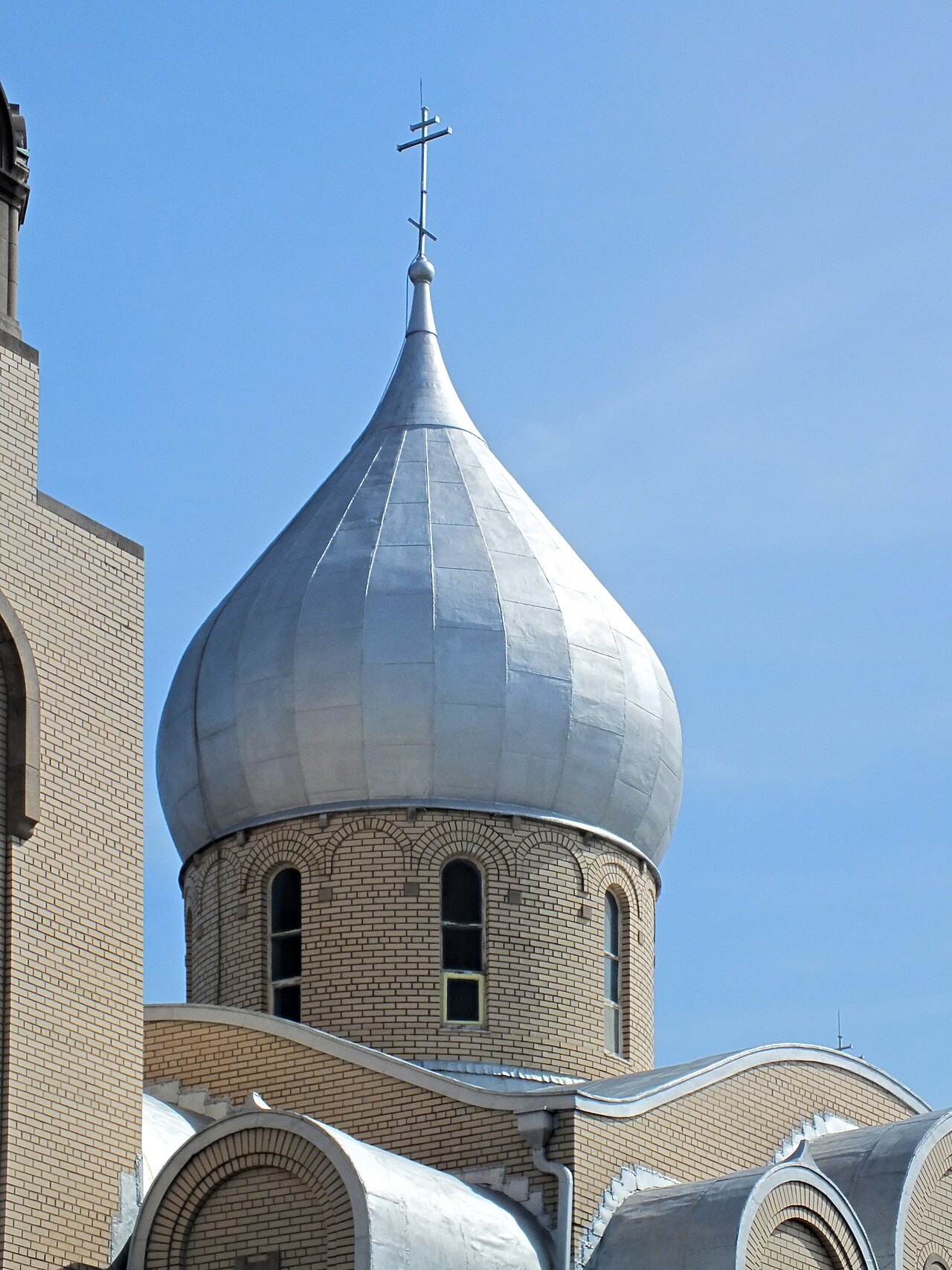
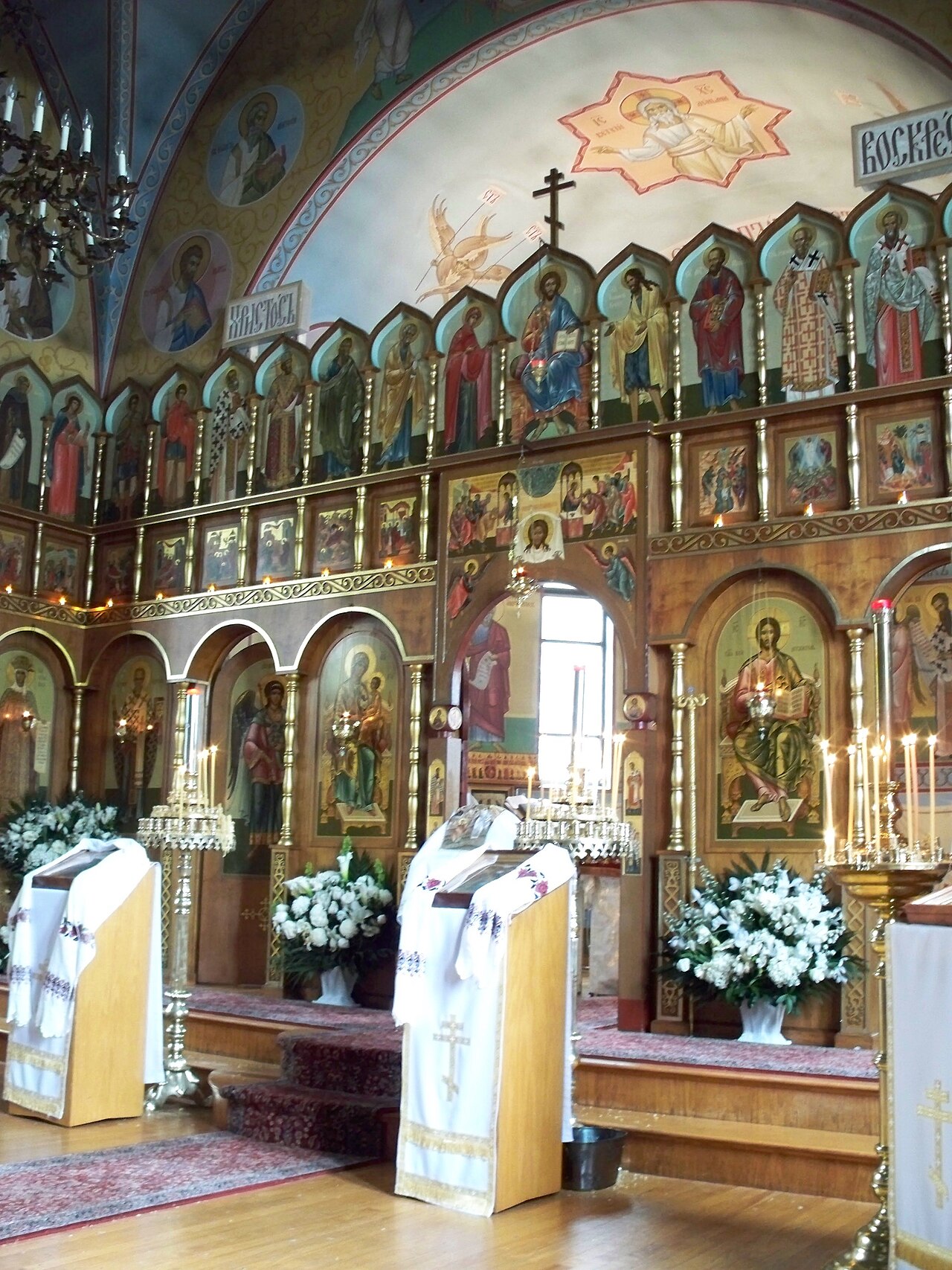
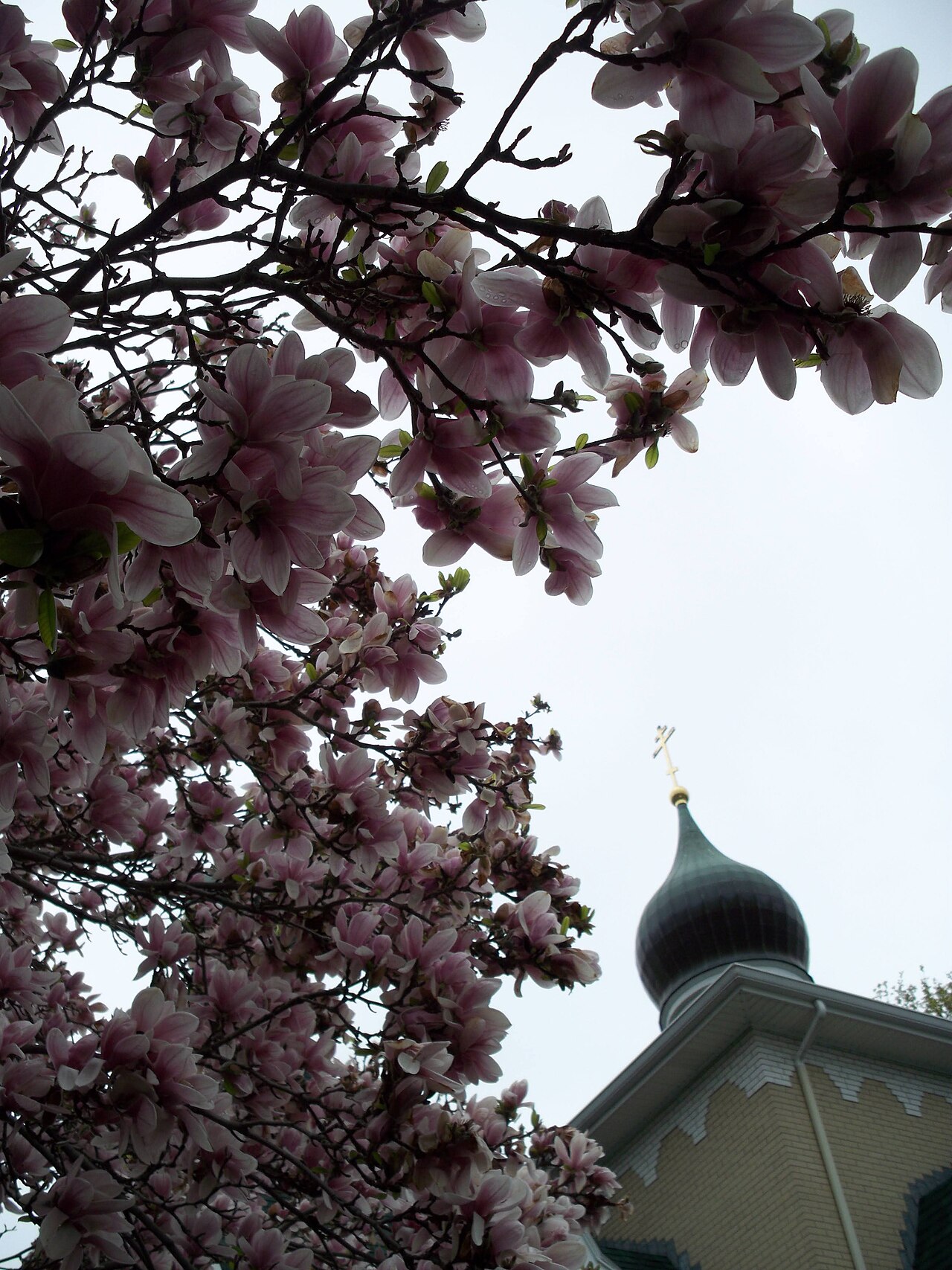
Frequently Asked Questions
What is the Russian Orthodox Church?
It is a self-governing (autocephalous) branch of Eastern Orthodox Christianity based in Moscow, whose origins go back to the baptism of Kievan Rus' in 988. Its spiritual head carries the title Patriarch of Moscow and all Rus'.
How did the Russian Orthodox Church break away from Constantinople?
In 1448 the church chose its own metropolitan without asking the Ecumenical Patriarch of Constantinople for approval, a move that established de facto independence. Full patriarchal rank was then formally granted in 1589.
What is the Russian Orthodox Church's role and jurisdiction today?
It administers 194 dioceses within Russia and asserts exclusive authority over Orthodox Christians in most former Soviet republics, with Georgia being the principal exception. The Patriarch of Moscow serves as its supreme ecclesiastical leader.
Why is the Russian Orthodox Church historically significant?
As the largest autocephalous Orthodox body, it has shaped the religious, cultural, and political identity of Russia and much of Eastern Europe for more than a thousand years. Its 2007 reconciliation with the Russian Orthodox Church Outside Russia (ROCOR) also closed one of the longest jurisdictional disputes in modern Orthodox history.
How does the Russian Orthodox Church's story resolve in the modern era?
Rather than concluding, the church continues as a living institution that has settled its major internal schism with ROCOR and retains its patriarchal structure to the present day. It remains one of the most influential Orthodox jurisdictions worldwide.
More in Religious Traditions 25-35
Elsewhere in the Religious Traditions universe
Spotted an error? Know more?
This is a living reference — every entry is fact-audited, and reader corrections feed straight into our audit queue. Suggest an edit · See this site's audit record